Exterior Painting Calculator

Exterior Painting Calculator Cost Guide
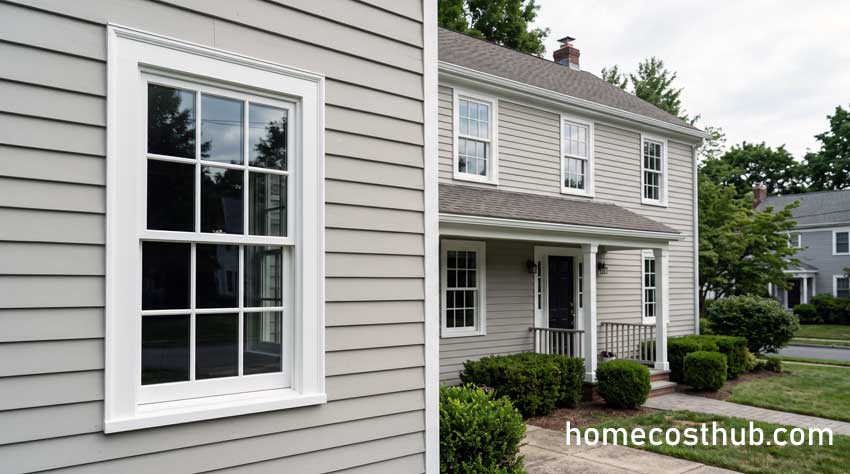
An Exterior Painting Calculator helps homeowners estimate the potential cost of repainting exterior walls, siding, trim, and other exposed surfaces before requesting contractor quotations.
Exterior painting can vary significantly in price because the work depends on total surface area, coating type, material quality, building height, existing surface condition, preparation requirements, labour difficulty, and removal work.
This cost calculator supports both USA cost estimates in US dollars and UK cost estimates in pounds sterling. Users can enter exterior painting area in square feet or square meters and compare different coating and project options.
The final price estimate separates material cost, labour cost, installation cost, additional preparation or features, and removal expenses, helping homeowners build a practical preliminary exterior painting budget.
Exterior Painting Calculator
Estimate exterior painting costs in the USA or UK based on project size, coating type, material quality, project scope, existing surface condition, application method, labour difficulty, removal work, and optional exterior features.
Please enter a valid value.
Removal Required
Additional Features
Additional features may include primer, fascia and soffit painting, doors and shutters, caulking, minor crack repair, mildew treatment, scaffolding access, decorative trim, or specialty weather-resistant coatings.
USA Exterior Painting Estimate
Total Estimate
$0
Painting Area: 0 ft²
Cost Breakdown
Materials $0
Labour $0
Installation $0
Additional $0
Removal $0
This calculator provides a preliminary planning estimate. Actual exterior painting costs may vary based on wall height, siding material, weather exposure, access, surface repairs, paint coverage, number of coats, scaffolding, local labour rates, contractor pricing, taxes, and project-specific conditions.
FREE PDF ESTIMATE
Get Your Exterior Painting Cost PDF
Enter your details below to receive your exterior painting estimate, selected options, and complete cost breakdown as a downloadable PDF.
✓ Your PDF is ready!
Free Exterior Painting Calculator
Material / Project Types
Exterior coatings must withstand sunlight, rain, temperature changes, moisture, and other environmental conditions, so material selection can have a significant effect on cost.
Exterior acrylic or masonry paint is a common choice for many residential walls, rendered surfaces, masonry, and compatible siding materials. It provides a practical balance between price, durability, and weather resistance.
Elastomeric coatings create a thicker, flexible exterior membrane and may be used on masonry, stucco, render, or surfaces where minor movement and water resistance are concerns. These products generally have a higher material cost.
Exterior stain or wood finish is used for timber siding, cladding, fences, and other exposed wooden elements. The final cost depends on the condition of the timber and whether previous coatings require removal.
Also Read:
Specialty weatherproof coatings can include premium exterior systems designed for enhanced durability, moisture resistance, UV performance, or specific substrates.
Project type also affects pricing. Exterior walls alone are generally simpler than walls and trim, while siding, multi-story homes, and complete house exteriors may require more preparation, masking, access equipment, and detailed labour.
Main Factors Affecting Cost
Project size directly affects how much paint, primer, caulk, masking material, protective covering, and labour are required. Larger exterior surface areas generally produce a higher total price estimate.
Material type affects coating cost and application requirements. Standard acrylic products are often less expensive than elastomeric or specialty weatherproof coatings.
Material quality has a strong effect on material cost. Budget products can reduce initial spending, while premium and luxury coatings may offer better coverage, colour retention, weather resistance, and longevity.
Project type influences labour requirements. A straightforward single-story exterior may cost less than a multi-story house that requires ladders, scaffolding, lifts, or extensive trim work.
Existing condition determines how much surface preparation is required. Peeling paint, cracked render, weathered siding, mildew, rot, or damaged trim can increase repair cost and replacement cost before painting begins.
Labour difficulty reflects building height, steep terrain, difficult access, architectural details, scaffolding needs, and other conditions that slow down the project.
Installation type represents the preparation and finish standard. Basic application costs less than standard preparation with multiple coats, while custom finishing may involve detailed trim, specialty products, or complex colour schemes.
Removal requirements can significantly increase cost when loose coatings, failed paint layers, or incompatible finishes need to be scraped or stripped before repainting.
Cost Breakdown
The Exterior Painting Calculator divides the projected budget into five main categories.
Material Cost: Material cost includes exterior paint or stain, primer, caulk, masking products, brushes, rollers, spray-related supplies, protective materials, and other consumables.
Labour Cost: Labour cost covers washing, preparation, scraping, sanding, masking, cutting-in, brushing, rolling, spraying where appropriate, and cleanup. Difficult access or tall buildings generally increase labour cost.
Installation Cost: Installation cost represents the selected coating application and finish level. Standard preparation and multiple coats generally cost more than basic painting, while custom exterior finishes can increase this category further.
Additional Cost: Optional features may include primer, fascia and soffit painting, doors, shutters, caulking, mildew treatment, minor crack repair, scaffolding access, decorative trim, or specialty weather-resistant coatings.
Removal Cost: Removal cost covers scraping, stripping, and disposal of failed or deteriorated exterior coatings. If no removal is required, this category remains visible with a zero value.
Actual USA cost and UK cost figures can vary based on regional labour rates, building height, siding type, weather exposure, contractor demand, coating brand, access requirements, taxes, and surface condition.
Why Use This Calculator?
An Exterior Painting Calculator gives homeowners a practical way to estimate an initial exterior decorating budget before contacting professional painters or remodeling contractors.
Instead of relying on one generic cost-per-square-foot figure, the calculator adjusts the price estimate based on project size, coating type, material quality, exterior scope, existing condition, application method, labour difficulty, removal requirements, and optional features.
It can also help compare different scenarios. Homeowners can evaluate standard wall painting against a full-house exterior, compare regular acrylic paint with premium weatherproof coatings, or see how multi-story access affects the estimated cost.
The detailed breakdown helps show how projected spending may be divided among material cost, labour cost, installation cost, additional preparation or upgrades, and removal.
The estimate should be treated as a preliminary planning guide rather than a guaranteed contractor quotation. Final pricing may also include siding repairs, timber replacement, render repair, scaffolding, pressure washing, hazardous-material precautions, repair cost, replacement cost, and other property-specific requirements.
Exterior Painting Calculator: Turn Your Estimate Into a Real Project Budget
Article Body:
Quick Answer
An Exterior Painting Calculator is best used as a preliminary budget benchmark, not as a substitute for an on-site quotation. Before accepting a painter’s price, compare the calculator assumptions with the contractor’s actual scope, especially preparation, repairs, coat count, trim, access equipment, and exclusions.
How to Read Your Exterior Painting Calculator Estimate
Your estimate becomes more useful when you read it as a description of an assumed project, not just a final number. Check which surfaces, preparation level, coating standard, access conditions, and optional work are represented before comparing the result with contractor quotations.
A preliminary estimate can be reasonably close to a straightforward repaint and still be far from the final contract price when the property has conditions that are difficult to represent before an inspection.
Start by asking five questions about the result:
- What surfaces are included? Main walls or siding may be included while fascia, soffits, shutters, doors, railings, or detached structures are outside the assumed scope.
- What condition was assumed? A sound painted surface requires a different workload from widespread peeling, failed caulk, rotten timber, cracked render, or damaged siding.
- What finish standard is represented? The quote may specify a different coating system, level of preparation, primer requirement, or number of finish coats.
- What access conditions were assumed? Rear extensions, steep ground, upper gables, conservatories, or narrow side passages can change how the work is reached.
- What is not represented? Repairs, hazardous-material precautions, scaffolding, permits where applicable, or other site-specific work may sit outside a preliminary painting estimate.
This is why an exterior painting estimate should be treated as a budget reference point. It gives you something concrete to test against a contractor proposal.
A quotation that is higher than your calculator result deserves investigation, but not an automatic rejection. A quotation that is much lower deserves the same scrutiny.
Expert Tip
Before comparing prices, write down the scope represented by your estimate: surfaces, preparation, primer, coat count, trim, repairs, and access. Then check every contractor quote against that same list. Price comparisons become meaningful only after the scopes are reasonably aligned.
Why a Contractor Quote May Be Higher or Lower Than the Calculator
A contractor’s quotation can differ because it reflects conditions seen at the property, while a calculator relies on the information entered and the assumptions behind that estimate. Differences often come from preparation, access, repairs, paint specification, exclusions, and the amount of detail included in the proposed scope.
Consider what an on-site painter may identify that was not obvious during early budgeting.
Surface Failure Can Be More Extensive Up Close
A wall that looks generally sound from ground level may have loose paint beneath eaves, failed caulk around windows, exposed timber, cracked render, chalking, mildew, or damaged siding.
Those conditions affect labor because the crew may need to remove unstable material, prepare bare areas, repair joints, or stop work until another trade resolves a substrate problem.
The important distinction is not simply that “condition affects cost.” The practical question is:
What specific preparation is the contractor pricing?
Also Read:
A detailed proposal might state that loose coating will be scraped to a sound edge and bare areas spot-primed. A vague proposal may say only “prepare as necessary.” Those two phrases do not give you the same protection when comparing bids.
Access Changes the Work Method
A contractor may identify elevations that cannot be painted efficiently with ordinary ladder access.
Examples include:
- upper walls above a rear extension;
- tall gable ends;
- sloping ground;
- tight side passages;
- conservatories below upper walls;
- rooflines that interrupt safe access;
- three-story elevations;
- areas requiring a lift, tower, or scaffold.
If one contractor includes access equipment and another lists it as an extra, their totals are not directly comparable.
The Coating Specification May Be Different
“Paint exterior walls” does not define a coating system.
The proposal should make clear, where appropriate:
- the intended product or product class;
- which surfaces receive primer;
- how many finish coats are included;
- whether trim uses a separate coating system;
- how bare or repaired areas are treated;
- what happens if the existing coating proves incompatible or unstable.
A lower quote that includes one finish coat over limited preparation is not equivalent to a higher quote specifying more extensive preparation and two finish coats.
Repairs May Sit Inside One Quote and Outside Another
Minor caulking may be part of a painter’s standard preparation. Timber replacement, siding replacement, render repair, or moisture investigation may be treated as separate work.
Ask contractors to identify this boundary before signing.
A higher quote is not automatically overpriced, and a lower quote is not automatically better value. The better comparison is the amount and quality of work each price actually buys.
Compare Exterior Painting Quotes by Scope, Not Just Price
A quote comparison should identify differences before you rank contractors by total price. The table below shows how three proposals could describe substantially different jobs even if all three use the same general label: “exterior repaint.”
| Quote Item | Contractor A | Contractor B | Contractor C |
|---|---|---|---|
| Surface washing | Included | Included | Not stated |
| Scraping / sanding | Defined scope | Allowance | Not stated |
| Primer | Spot prime | Full prime | Not stated |
| Main finish coats | 2 | 2 | 1 |
| Fascia / soffits | Included | Extra | Included |
| Minor repairs | Allowance | Extra | Excluded |
| Access equipment | Included | Extra | Included |
| Cleanup | Included | Included | Included |
This is an illustrative scope comparison, not a representation of actual contractors.
What “Included” Really Needs to Mean
A word such as “included” is useful only when the task itself is clear.
For example:
Preparation included
is less informative than:
Wash painted surfaces, scrape loose coating, sand exposed edges, replace failed sealant at specified joints, and spot-prime bare areas.
The second description gives the homeowner a clearer basis for checking completed work.
Watch Allowances Carefully
An allowance is not always a fixed final cost. It may represent an amount set aside for work whose exact extent is not yet known.
If repair work is listed as an allowance, ask:
- what quantity or scope the allowance assumes;
- what happens when that allowance is exceeded;
- how additional work will be approved;
- what labor and material rates apply to changes.
This can prevent a seemingly low quote from becoming more expensive after work begins.
Read Exclusions Before Warranties
A workmanship warranty can be valuable, but first establish what the contractor is accepting responsibility for.
A warranty may not cover failure caused by:
- water intrusion;
- movement of the substrate;
- existing incompatible coatings;
- rotting materials;
- unrepaired masonry problems;
- areas the contractor specifically excluded.
Ask for unclear exclusions to be explained before treating warranty length as a deciding factor.
Quick Answer
Compare scope first, then compare total price. A contractor who includes more preparation, repairs, coats, trim, access equipment, and cleanup may legitimately quote more for a project that appears similar at first glance.
The Square Footage Mistake That Can Distort Your Budget
House floor area is not the same measurement as paintable exterior wall area.
This sounds simple, but it can lead to poor price comparisons.
Consider two homes that each contain 2,000 square feet of interior floor area.
One may be a compact two-story house with a smaller footprint and tall exterior elevations. The other may be a spread-out single-story property with a larger perimeter. Gables, attached garages, window openings, architectural projections, and wall heights can make their exterior painting scopes very different.
That matters when someone says:
“My painter is charging $X per square foot.”
The first question should be:
Per square foot of what?
The figure might refer to:
- floor area;
- gross exterior wall area;
- paintable area after openings;
- siding area;
- an informal pricing shortcut rather than a measured surface.
Using the wrong denominator can make a reasonable quotation look expensive or make an incomplete quotation appear unusually cheap.
For quote comparisons, focus on the actual surfaces included rather than relying only on the home’s advertised floor area.
Fact
Floor area and paintable exterior wall area are different measurements. Building footprint, wall height, number of stories, gables, openings, garages, and architectural shape can produce very different exterior painting scopes.
When Surface Preparation Becomes a Separate Budget Issue
Preparation stops being a minor line item when the work moves beyond routine cleaning and isolated coating repairs. At that point, the quote should describe the problem areas and define which repairs belong to the painter and which require another trade.
Light Preparation
A relatively sound exterior may require work such as:
- surface cleaning;
- minor caulking;
- spot scraping;
- light sanding;
- isolated primer on exposed substrate.
This is closer to a conventional maintenance repaint because most of the existing surface is still capable of supporting the new coating.
Moderate Preparation
A contractor may find broader coating failure without major substrate deterioration.
The scope might include:
- scraping multiple peeling areas;
- sanding transitions between sound and failed coating;
- replacing failed sealant;
- minor crack treatment;
- more extensive spot priming;
- additional protection and cleanup because more debris is created.
At this level, homeowners should ask contractors to define preparation rather than accept a general phrase such as “standard prep.”
Heavy Preparation or Repair
The project begins to move beyond painting when inspection reveals:
- widespread peeling or delamination;
- rotten exterior timber;
- soft or deteriorated siding;
- failed render;
- significant cracks;
- persistent moisture damage;
- unstable previous coatings.
A fresh finish coat cannot compensate for a failing substrate. Painting over an unresolved problem may only hide it temporarily.
Fact
A new coating performs only as well as the surface beneath it. Failed substrate, moisture problems, rot, loose render, or unstable previous coatings should be corrected before the finish system is treated as complete.
When Repairs Should Happen Before Exterior Painting
Repairs should come first when defects affect the material supporting the coating rather than only the appearance of the old paint. Rot, loose siding, failed render, water intrusion, persistent damp, or movement-related cracking can turn a repaint into a broader repair project.
The key distinction is between cosmetic preparation and substrate failure.
Small imperfections such as isolated failed caulk or minor surface cracking may remain within a normal painting scope. A wall that moves, timber that has lost structural integrity, or cladding that is loose requires a different response.
Also Read:
Do not assume that every exterior crack means structural damage. Width, location, pattern, movement, material, and the presence of water or other symptoms all matter.
If cracking, movement, rot, or substrate failure extends beyond cosmetic preparation, estimate the repair scope before treating painting as the main project. The Structural Renovation Calculator can help frame the budget when repairs become more than surface-level work.
Why Project Sequence Matters
Painting too early can create duplicate work.
For example, replacing rotten trim after the walls have already been painted may require:
- removing newly finished material;
- re-caulking joints;
- re-priming replacement components;
- touching up adjacent surfaces;
- paying for another mobilization.
The same principle applies when exterior painting sits inside a broader renovation. Roof, window, siding, structural, masonry, or major exterior repairs should be understood before finish work is locked in. Homeowners coordinating several projects can continue their planning through the Whole House Remodeling resources.
Expert Tip
Before authorizing finish paint, ask the contractor to identify any areas where the coating is being applied over a repaired, questionable, or excluded substrate. That conversation can reveal whether another trade should complete work first.
US vs UK Exterior Painting Projects: What Changes?
The basic budgeting logic is similar in the United States and United Kingdom, but terminology, units, common exterior materials, and access arrangements differ. Homeowners should compare estimates using local project conventions rather than translating US pricing into pounds or UK pricing into dollars.
| Project Consideration | United States | United Kingdom |
|---|---|---|
| Area | Square feet | Square metres |
| Paint quantity | Gallons | Litres |
| Common terminology | Siding, stucco, fiber cement | Render, masonry, pebbledash |
| Building height | Stories | Storeys |
| Typical access language | Ladders, lifts, scaffolds | Ladders, towers, scaffolding |
| Currency | US dollars (USD) | Pounds sterling (GBP) |
These differences are more than vocabulary.
A US home with lap siding can require detailed work around joints, trim boards, shutters, and multiple siding elevations. A UK rendered or pebbledashed exterior presents a different surface profile, coating choice, repair approach, and access strategy.
The same calculator result should therefore be interpreted within the local construction context rather than through a simple currency conversion.
Scaffolding and Difficult Access: When the Estimate Can Shift
Access becomes a budget issue when painters cannot safely and efficiently reach the work using the access method assumed in the preliminary estimate. Upper elevations, roof obstructions, conservatories, steep terrain, and restricted setup space can all change the work plan.
This is particularly important when reviewing UK exterior painting quotations because scaffolding may be a clearly separated project item.
Examples of conditions that deserve clarification include:
- a rear conservatory beneath an upper wall;
- a kitchen extension projecting below the second storey;
- a narrow side alley;
- a tall chimney-side elevation;
- a steeply sloped driveway or garden;
- a high gable;
- areas where equipment cannot be positioned easily.
Do not compare one quote that includes scaffolding with another that states “scaffolding by owner” as if they represent the same total project cost.
Ask each contractor:
- what access equipment is included;
- which elevations require it;
- whether setup and removal are included;
- whether access restrictions could create additional charges;
- who is responsible for arranging any separate scaffold provider.
Access should be resolved before the contract is signed rather than discovered after the crew arrives.
DIY vs Professional Exterior Painting: Which Costs Actually Change?
DIY painting can reduce paid labor, but it does not remove preparation, equipment, access, material, cleanup, or safety requirements. The most suitable option depends on the surface condition, building height, available equipment, homeowner skill, project size, and consequences of having to redo failed work.
DIY Exterior Painting
Potential advantages:
- less spending on contractor labor;
- flexible scheduling;
- direct control over material purchases;
- practical for limited, accessible maintenance areas.
Potential drawbacks:
- ladder, tower, scaffold, or equipment costs;
- significant preparation time;
- weather-related interruptions;
- masking and property protection;
- working-at-height risk;
- slower progress on large elevations;
- potential coating failure if preparation or application is inadequate;
- cleanup and waste handling.
Professional Exterior Painting
Potential advantages:
- experienced surface preparation;
- established equipment and access methods;
- crew productivity;
- defined responsibility for the contracted scope;
- potential workmanship warranty when stated in the agreement.
Potential drawbacks:
- higher direct cash cost;
- scope quality varies between proposals;
- exclusions can create additional charges;
- the homeowner still needs to review preparation and specification rather than relying on the contractor’s headline price.
DIY makes the strongest case on sound, low, safely accessible surfaces where preparation is limited and the homeowner understands the coating system.
Professional work becomes more compelling as height, surface failure, access complexity, repair requirements, or project size increase.
Older Paint Requires an Extra Safety Check
For US homes built before 1978, disturbing old painted surfaces may fall under the EPA’s Renovation, Repair and Painting requirements when covered work is performed for compensation. EPA states that paid firms disturbing paint in many pre-1978 homes must use certified renovators and lead-safe work practices. Review the EPA Lead Renovation, Repair and Painting Program before assuming old-paint preparation is routine.
In the UK, the Health and Safety Executive warns that removing older coatings can create lead exposure, with particular risks associated with activities such as dry sanding and heat-based stripping. Its HSE guidance on removing old paint safely provides specific precautions for work involving potentially lead-containing coatings.
The presence of older paint does not automatically mean the project requires complete paint removal. It means the coating history and proposed preparation method deserve proper assessment before work begins.
A Practical Decision Tree Before You Approve the Work
Is the existing exterior surface generally sound?
→ Yes: Confirm preparation, coating specification, number of coats, and access requirements.
→ No: Determine whether the problem is failed paint or actual damage to the underlying material.
Is there rot, loose siding, failed render, significant movement-related cracking, or water intrusion?
→ Yes: Investigate and repair the underlying issue before finalizing the painting scope.
→ No: Define the necessary scraping, sanding, caulking, priming, or minor repair work in the painting quotation.
Can all elevations be reached safely using the access method included in the quote?
→ Yes: Continue comparing scope and finish specifications.
→ No: Resolve scaffolding, tower, lift, or other access requirements and confirm who pays for them.
Do the contractor quotes describe the same scope?
→ Yes: Compare price, paint specification, schedule, warranty, qualifications, and contract terms.
→ No: Ask each contractor to clarify missing items before comparing totals.
Is DIY still being considered after accounting for preparation, equipment, access, and safety?
→ Yes: Compare the actual DIY scope against the professional scope rather than comparing material cost with the full contractor price.
→ No: Focus on obtaining comparable professional proposals.
Illustrative Scenario: Calculator Estimate vs Contractor Quote
This is a hypothetical example for decision-making only. The figures below are illustrative numbers, not US market averages or contractor pricing data.
Also Read:
Consider a two-story US house with painted siding and trim.
The homeowner enters a project scope representing:
- main exterior siding;
- fascia and standard trim;
- moderate preparation;
- a normal repaint coating system;
- typical access conditions.
The resulting preliminary planning estimate is $8,400.
After an on-site inspection, a contractor submits a quotation for $10,600.
The $2,200 difference does not tell the homeowner whether the contractor is expensive. The first task is to identify what changed.
The contractor’s written scope includes:
- replacement of several deteriorated trim boards;
- additional scraping on a weather-exposed elevation;
- spot priming of exposed substrate;
- two specified finish coats;
- special access equipment for the rear elevation;
- protection and masking around adjacent surfaces;
- cleanup and disposal.
Suppose the original calculator assumptions did not fully represent the trim replacement or unusual rear access. Part of the price gap now has an identifiable explanation.
The homeowner should then separate the quote into three questions:
1. Is the Additional Work Necessary?
Ask the contractor to identify deteriorated trim, difficult access points, and preparation areas during the walkthrough.
The goal is not to negotiate away necessary work. It is to confirm that the scope reflects actual property conditions.
2. Are Competing Quotes Pricing the Same Work?
A second contractor might quote $9,200 but exclude trim replacement and access equipment.
That quote is not necessarily cheaper for the same project. The homeowner may later pay separately for those items.
3. Which Items Are Fixed and Which Can Change?
If hidden deterioration could create extra charges, the proposal should explain how those changes will be handled.
Decision: Compare scope first, total price second. The calculator provides the budget benchmark; contractor proposals define the work that will actually be purchased.
Four Exterior Painting Myths That Can Lead to Bad Budget Decisions
Fact
Quotes may include different preparation, coat counts, repairs, trim, access equipment, cleanup, and exclusions. A lower total can represent a smaller scope rather than better value.
Fact
Primer needs depend on substrate condition, bare areas, repairs, staining, coating compatibility, and the specified coating system. A sound previously coated surface may be treated differently from bare or deteriorated material.
Fact
The visible surfaces may match while preparation, paint specification, coat count, access, repair allowances, warranties, and exclusions differ substantially.
Exterior Painting Quote Checklist
- Confirm exactly which walls, siding, trim, fascia, soffits, doors, shutters, and other surfaces are included.
- Ask what washing, scraping, sanding, caulking, repair, and priming work is included.
- Confirm the specified paint or coating system and number of finish coats.
- Check whether scaffolding, lifts, ladders, property protection, cleanup, and disposal are included.
- Identify allowances, exclusions, and work that may trigger a change order.
- Resolve rot, failed siding, render damage, moisture issues, or structural concerns before relying on the painting total alone.
- Confirm how unexpected substrate damage will be documented and approved.
- Compare contractor quotes using the same project scope before comparing price.
Frequently Asked Questions
How accurate is an Exterior Painting Calculator?
It is most useful as a preliminary budgeting tool based on the project information entered. Accuracy can decrease when the property has hidden deterioration, unusual access, undefined preparation, repair work, or a contractor specification that differs from the assumptions behind the estimate.
Why is my exterior painting quote higher than the calculator estimate?
The contractor may be pricing work that was not fully represented in the preliminary estimate, such as additional scraping, repairs, difficult access, scaffolding, trim, masking, a different coating specification, or more finish coats. Compare the scope line by line before deciding that the quotation is too high.
What should an exterior painting quote include?
A useful quote should clearly identify the surfaces being painted, preparation scope, coating or product specification, coat count, primer requirements, repairs or allowances, access equipment, protection, cleanup, exclusions, payment terms, and relevant warranty terms.
Is house square footage the same as exterior paintable area?
No. Floor area measures interior building space, while exterior painting involves wall elevations and other painted surfaces. Two houses with the same floor area can have very different exterior wall areas because of footprint, height, gables, openings, garages, and architectural shape.
Does exterior painting always require primer?
No. Primer requirements depend on the substrate, exposed bare material, repairs, stains, coating compatibility, and the specified paint system. Ask the painter which areas are being primed and why rather than assuming every surface receives the same treatment.
Is DIY exterior painting cheaper than hiring a professional?
DIY can reduce paid labor, particularly on simple and safely accessible surfaces. The comparison changes once equipment, access, preparation time, masking, cleanup, safety, and possible rework are considered. Compare complete scopes rather than professional pricing against paint cost alone.
Does scaffolding affect an exterior painting quote?
Yes, when the project requires scaffolding or another access system that was not included in the original assumptions. This is especially relevant for upper storeys, high gables, conservatories, rear extensions, steep ground, or restricted access. Confirm whether access equipment is included or separately charged.
Should damaged siding or render be repaired before painting?
Yes when the damage affects the stability of the substrate or allows water to enter. Loose siding, rotten timber, failed render, serious cracking, or moisture-related deterioration should be understood and repaired before a finish coating is expected to perform properly.
How should I compare two exterior painting contractors?
Normalize the scopes first. Compare preparation, surfaces, coating products, coat counts, repairs, allowances, access, cleanup, exclusions, warranty terms, schedule, and contractor qualifications. Only compare the total prices after confirming that both proposals describe reasonably similar work.
Turn the Estimate Into a Defined Project Scope
The most valuable use of an Exterior Painting Calculator happens after the estimate appears on screen. Treat that number as the starting benchmark for conversations with painters, not as a guaranteed final price.
Check what the estimate assumes. Walk the property with prospective contractors. Identify repairs before finish work. Clarify vague preparation language. Confirm the coating system, number of coats, trim scope, access equipment, exclusions, and how unexpected work will be approved.
Then compare proposals on equivalent terms.
If exterior painting is part of a larger renovation, establish the sequence before committing to finish work. Structural repairs, siding work, windows, masonry, roofing interfaces, and other exterior construction can affect newly painted surfaces. The Whole House Remodeling section can help you place exterior painting within the broader remodeling budget.
Cost Summary
Use the calculator estimate as a budgeting benchmark, then reconcile it against the contractor’s actual scope. The most reliable comparison checks preparation, repairs, coat count, trim, access, exclusions, and coating specification before comparing total price.
About the Author
Arden Cole Linscott
Expert — Residential Construction & Remodeling Cost Analysis
Arden Cole Linscott focuses on residential construction budgeting, remodeling cost analysis, contractor scope interpretation, and practical homeowner decision support. His editorial work emphasizes clear project assumptions, realistic cost planning, and comparing renovation options on an equivalent scope.
Scroll to bottom
Remodeling Cost Calculators